

Why We Organize:
Baton Rouge needs organized citizens, not just good opinions.
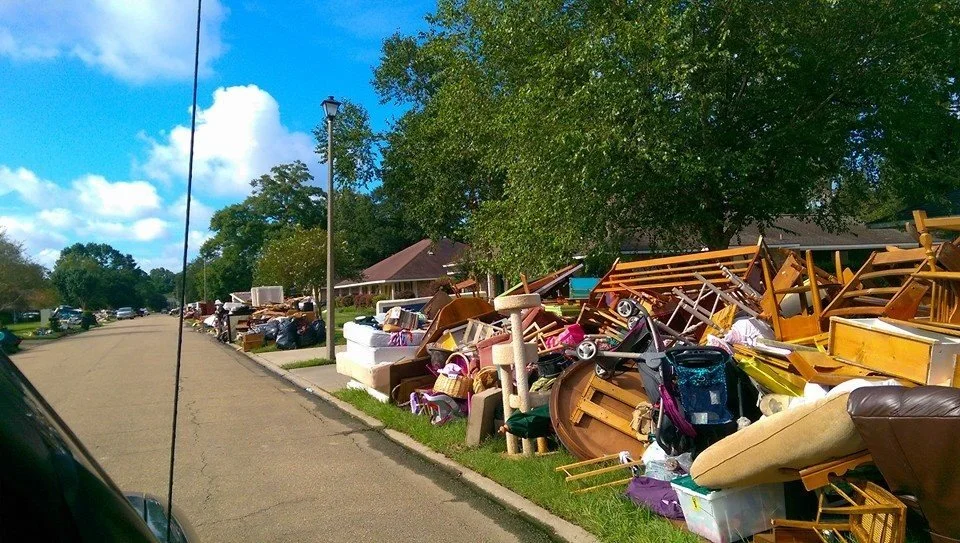
Across Baton Rouge, families are facing rising costs, unreliable public systems, aging infrastructure, disaster threats, transportation barriers, and public decisions that too often happen without organized residents at the table.
Together Baton Rouge exists because ordinary people should not have to face those problems alone. When congregations, community organizations, unions, civic groups, and local leaders act together, they can build the power needed to make Baton Rouge work better for everyone.
Too many people know what is broken — but feel powerless to change it.
Residents know the roads that need repair, the neighborhoods that get overlooked, the transit gaps that make daily life harder, the public dollars that should serve the public, and the systems that fail when disaster hits.
But knowing the problem is not the same as having the power to change it.
That is why Together Baton Rouge organizes across institutions. We help people move from frustration to strategy, from isolated concerns to shared priorities, and from private conversations to organized public action.
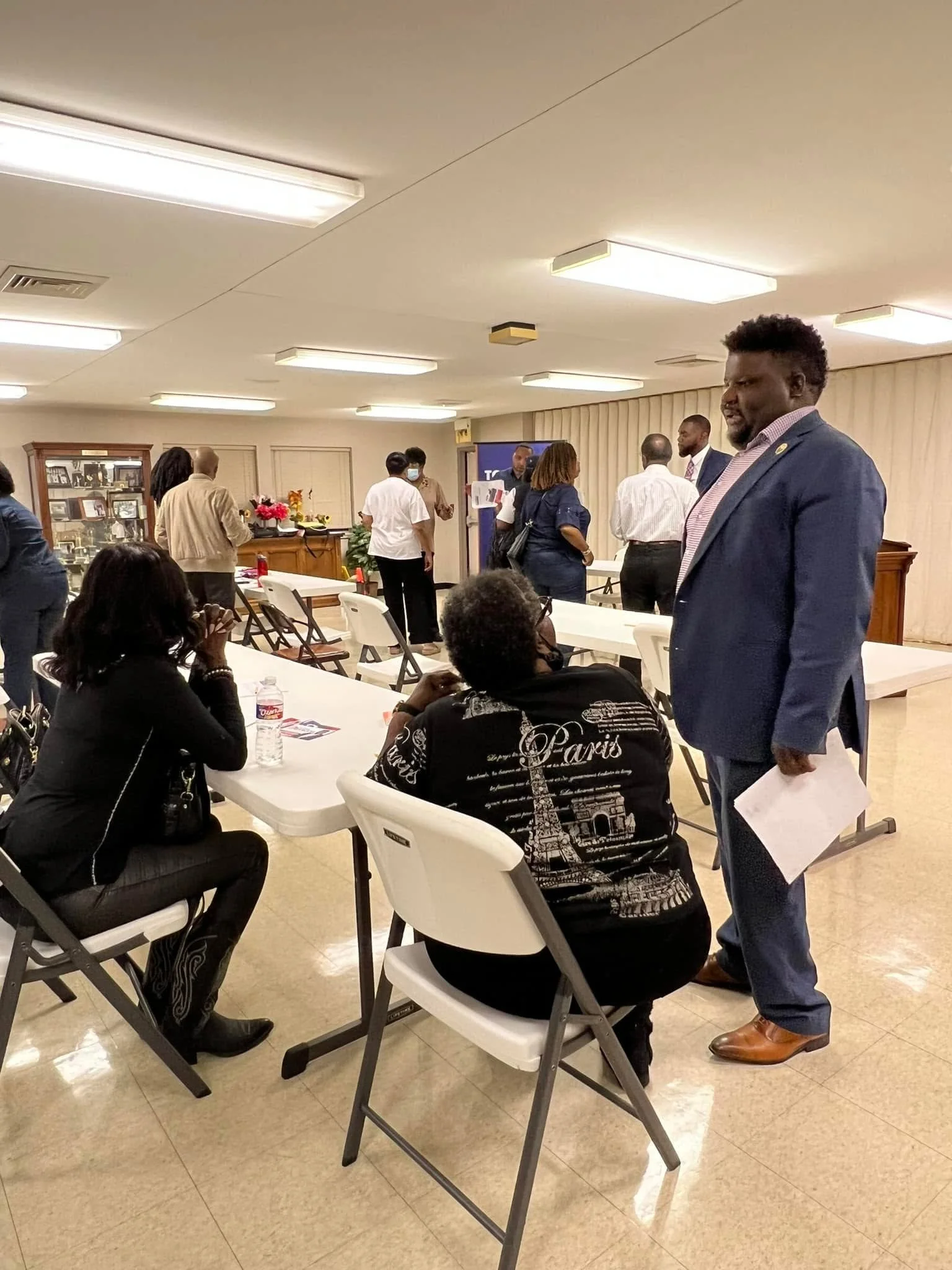
Empowering our residents with training and discussion
We organize across the lines that divide Baton Rouge.
Baton Rouge is often divided by race, class, neighborhood, faith, and politics. Together Baton Rouge is built to cross those lines.
Our member institutions do not have to agree on everything to act together on shared concerns.
-
We build trust among people and institutions that might not otherwise work together.
-
We train residents to speak publicly, organize others, research issues, and negotiate with power.
-
We bring organized people into public decisions instead of leaving them on the sidelines.
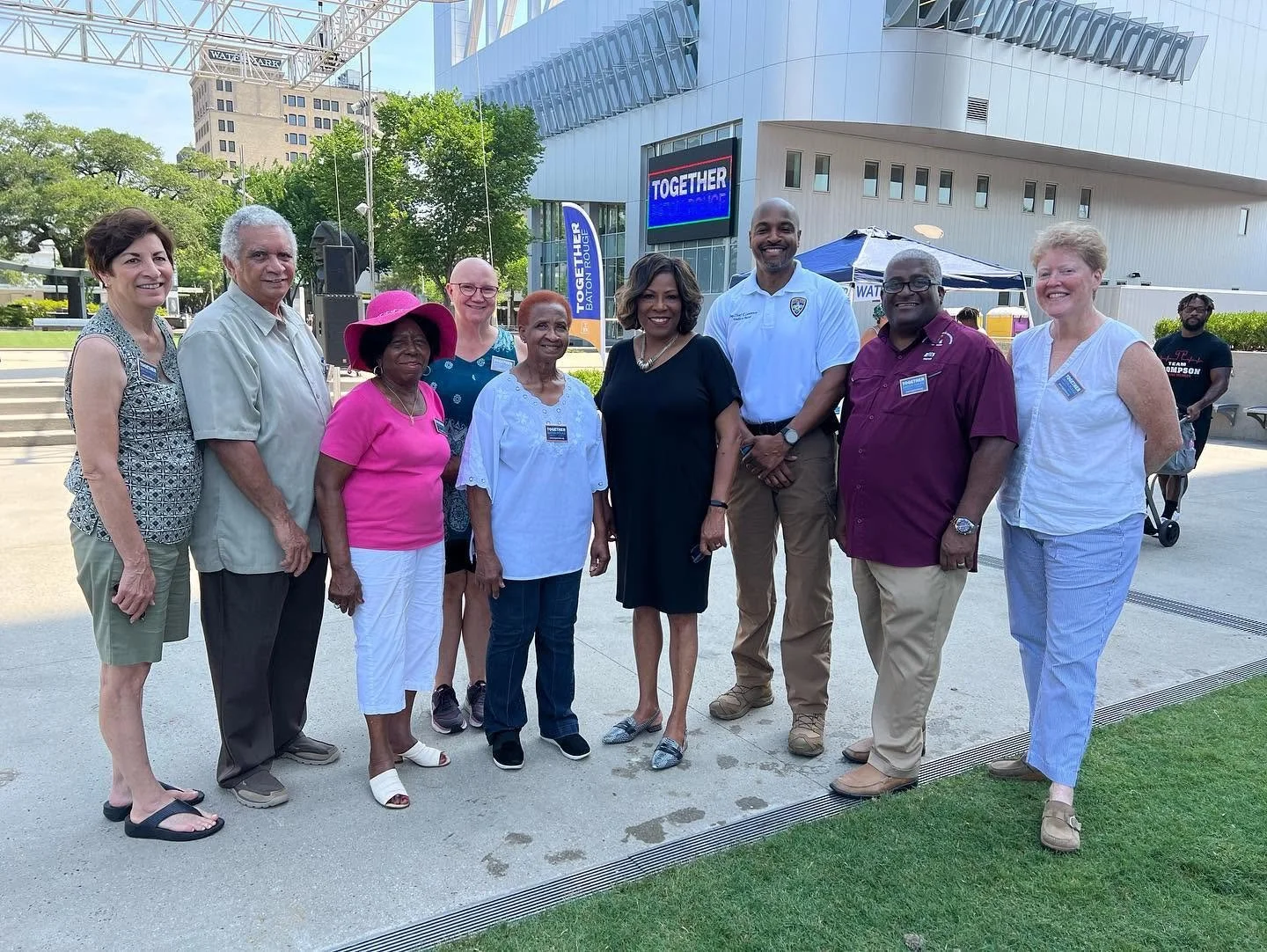
Representatives from a small portion of our 200+ represented member institutions
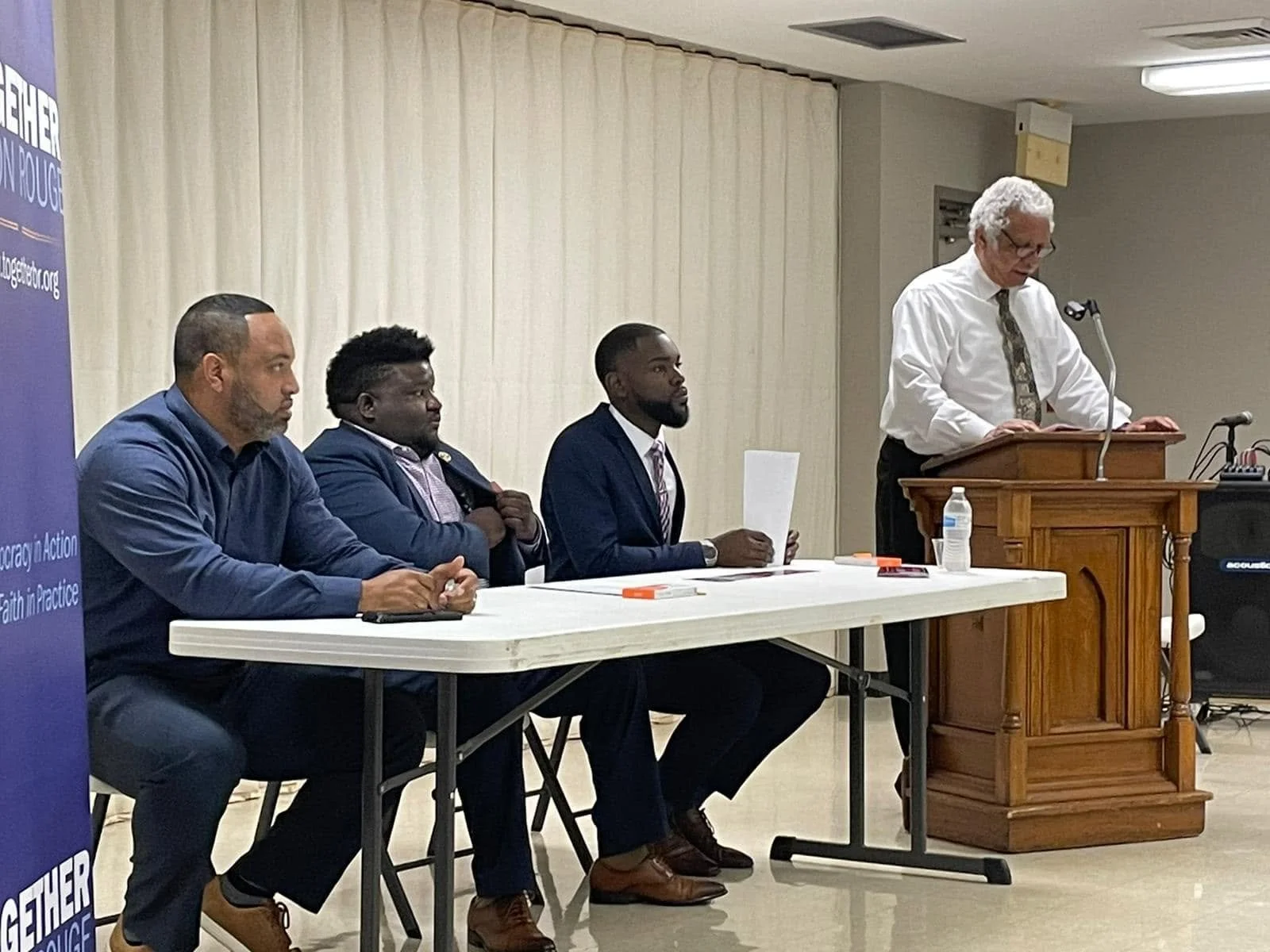
Democracy should be practiced locally.
Together Baton Rouge believes residents should be primary participants in local democracy, not passive observers.
That means people need more than information. They need training, relationships, institutions, and the organized power to ask better questions, propose real solutions, and hold decision-makers accountable.